Damp subfloors and why pests love them
Low vents, poor drainage and debris under suspended floors create the conditions termites and rot need.




In short: Clyde North homes are almost all on slabs, but buyers looking at older homes nearby meet suspended timber floors, where the subfloor decides a lot.
Airflow keeps a subfloor dry
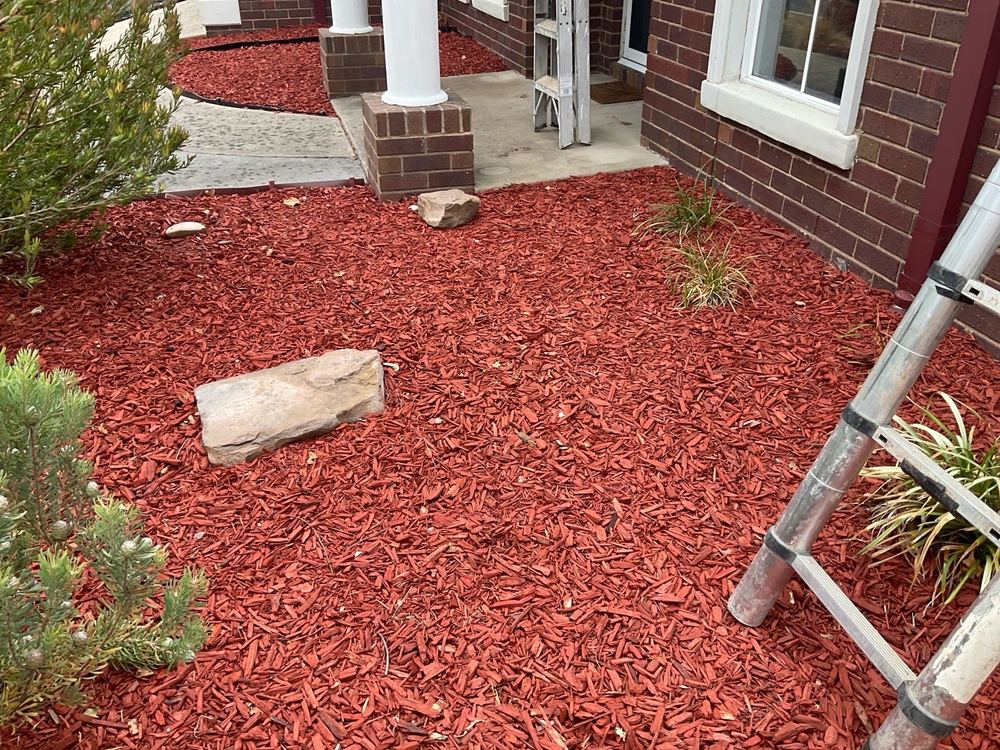
Suspended floors need vents that let air pass through the space below. When garden beds rise to the level of the vents, the airflow stops and moisture builds up under the house.
What we recorded
In May 2026 a Dandenong North house had subfloor vents almost at ground level, and the subfloor itself could not be entered safely. Readings through the vents suggested the ground under the house sat lower than outside, a recipe for ponding.
Why it matters
Damp timber attracts termites and wood decay fungi, and both can be well advanced before anything shows in the rooms above.
What the report does
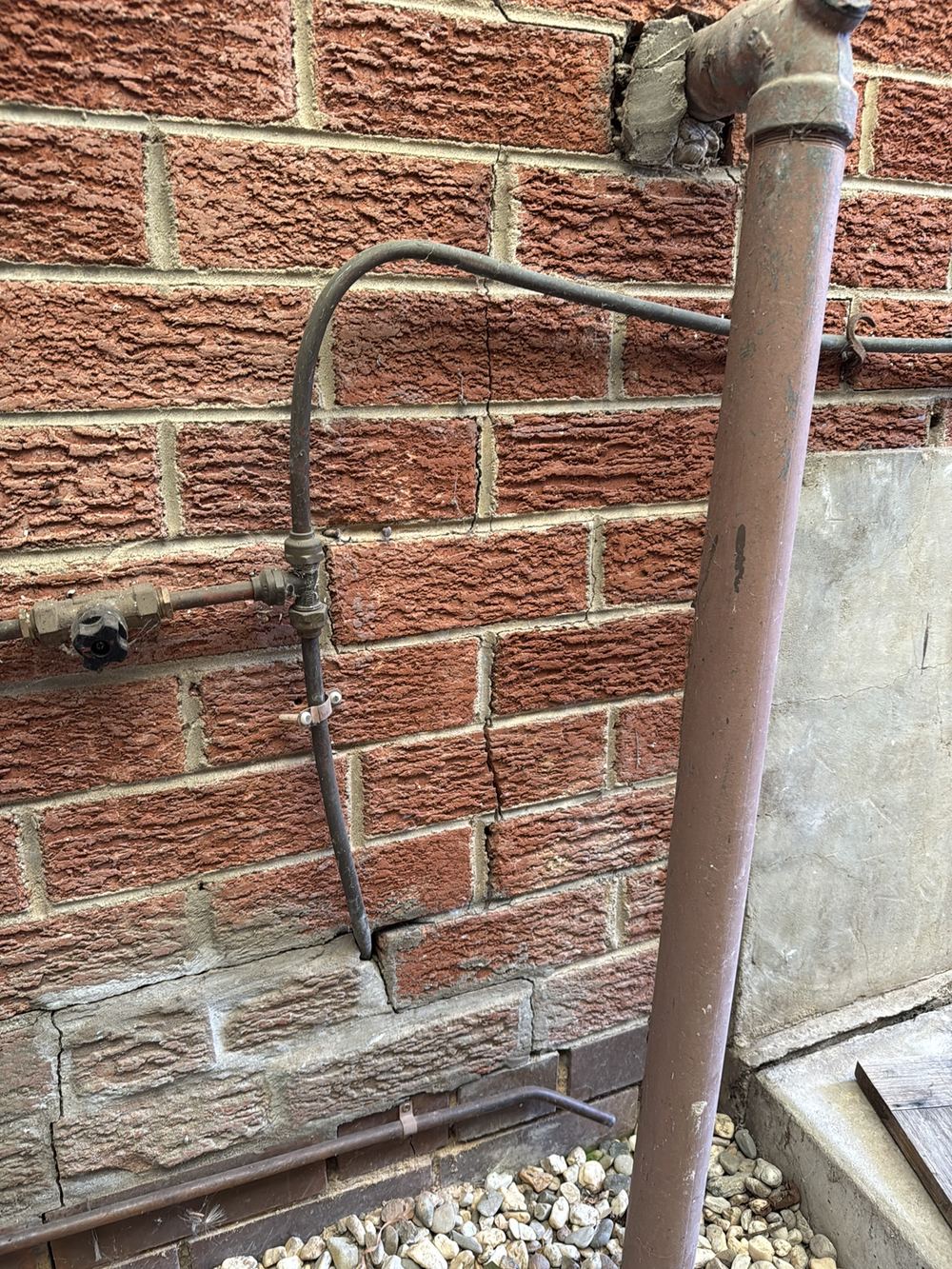
We record vent heights, access limitations, drainage around the house and any visible damage, and say plainly which parts could not be inspected so you know where the gaps are.
What to do
Lower soil levels below vents, improve drainage away from the house, and if access was restricted, arrange for it to be opened up and inspected before settlement.
Written by our local inspection team from work carried out in Clyde North. Licensed building practitioners, Building & Plumbing Commission registration CDB-U 53425.